


Managing Implant Restorative Complications
When implant restorations do not go to plan, know what you are looking at — and what to do next.
Implant restorations are increasingly common in general dental practice.
So are the patients who arrive with loose crowns, fractured porcelain, damaged screws, altered occlusion, loss of retention or peri-implant changes — whether you originally restored the implant or not.
Engage Five is about becoming better prepared for those appointments.
You will learn a structured approach to diagnosing common restorative implant complications, understanding why they occur, deciding what can reasonably be managed in general practice and recognising when referral is the safer option.
Your place includes:
Next available course dates
Places are limited to 12 delegates to maintain a focused, hands-on learning environment.
Course highlights
Turn the appointment you dread into a structured clinical problem
A patient phones:
"My implant tooth is moving."
What is actually moving?
The crown?
The abutment?
The screw?
The implant itself?
And what should you do next?
Restorative implant complications can feel intimidating because the underlying components are often hidden and unfamiliar.
Engage Five removes some of that uncertainty.
You will learn to break problems down systematically, identify likely causes, understand the available restorative solutions and avoid turning a manageable complication into a more difficult one.
Just as importantly, you will develop clearer boundaries around what should not be managed without additional expertise.




Who is this course for?
Engage Five is particularly valuable once implant restoration becomes part of your routine clinical practice.
Diagnose first. Intervene second.
FAQs
Common questions about our Engage Five course.
Previous restorative implant experience is recommended. The course is most valuable for dentists who already restore straightforward implant cases or routinely maintain patients with implant restorations.
Yes. Loose restorations are one of the common clinical presentations explored, including how to establish what is actually loose before deciding on treatment.
Yes. The course considers damaged and fractured prosthetic screws, their causes and principles of management. The emphasis remains on safe decision-making and recognising situations requiring experienced support.
Biological complications and peri-implant warning signs are covered from the perspective of recognition, assessment, maintenance and appropriate referral. Engage Five is not a surgical peri-implantitis treatment course.
Yes. GDPs increasingly inherit and maintain implant restorations placed by other clinicians. Identifying implant systems, understanding components and knowing when further information is required are important parts of managing these patients.
Yes. The Engage philosophy remains practical. Clinical scenarios, components and troubleshooting exercises are used to turn theoretical complication management into a more structured clinical workflow.
Absolutely. Prevention is arguably more valuable than repair. Restorative design, occlusion, screw mechanics, component selection, maintenance and patient factors are considered throughout the day.
No. One of the most important outcomes is recognising the boundary between a complication that can reasonably be managed within your competence and one requiring more experienced restorative, surgical or specialist input.
Still have questions?
Whatever you need to know, we're happy to help.
Why Engage Implant?
Actually hands-on
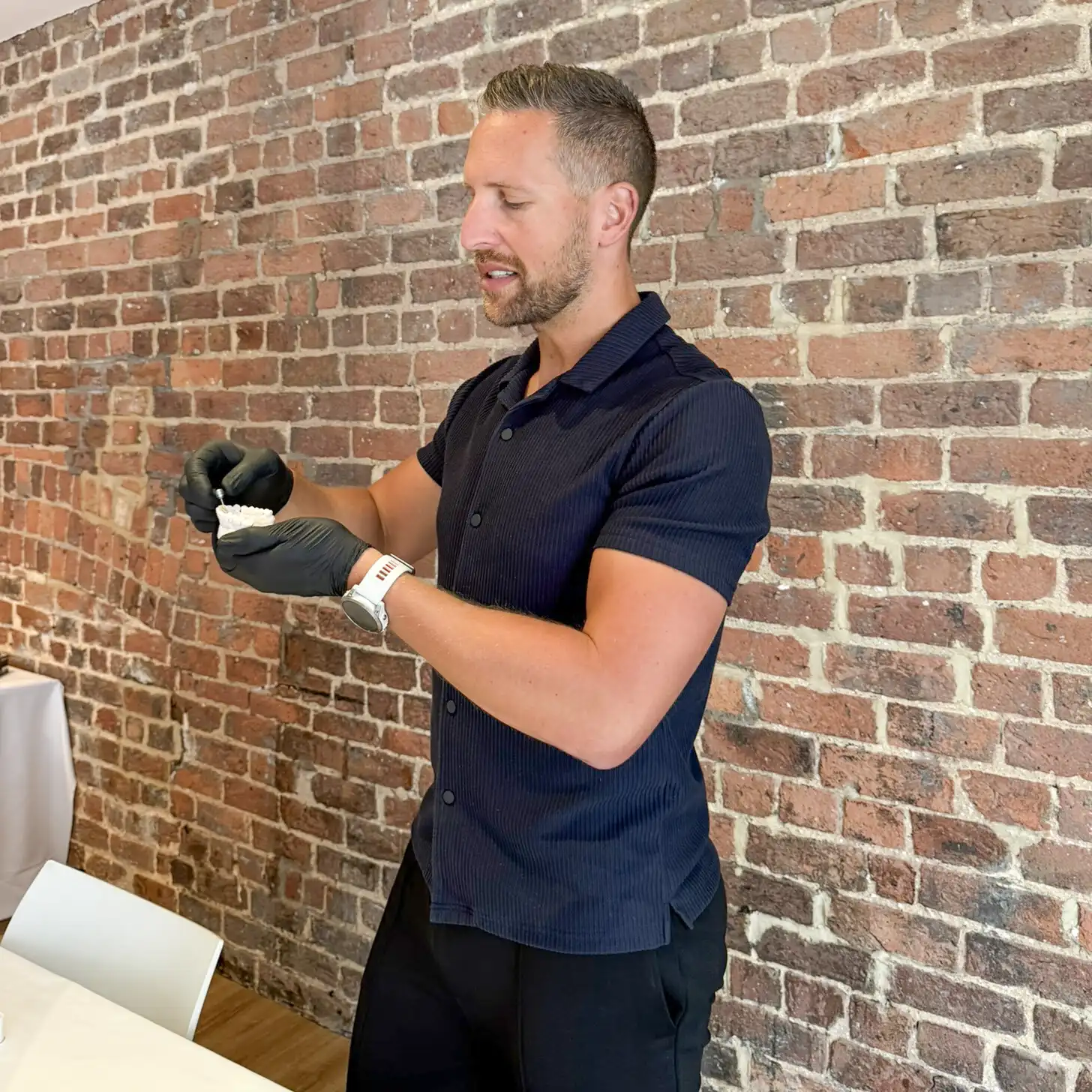
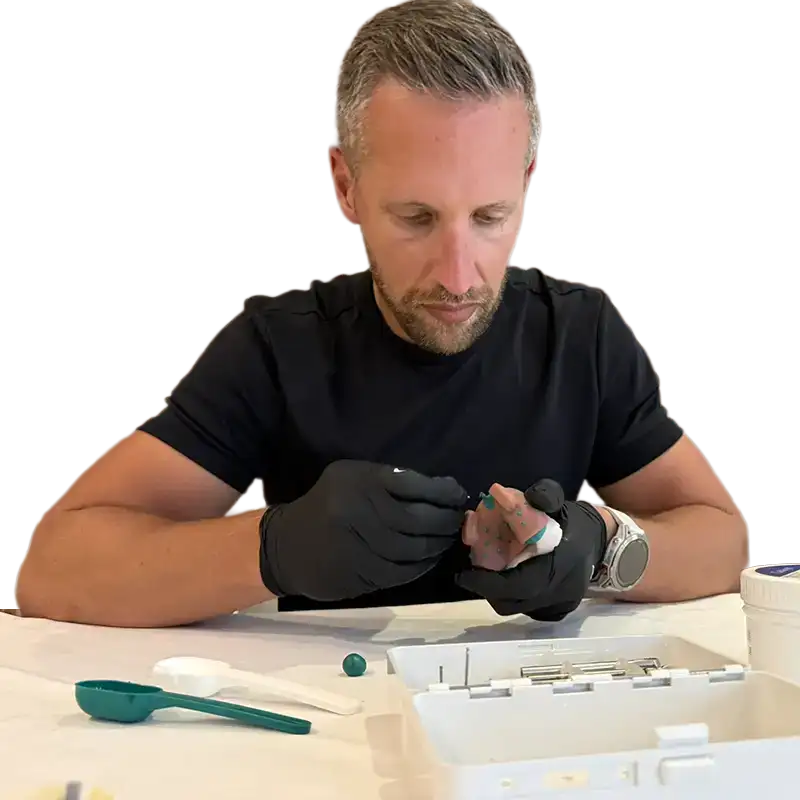
You won't just watch implant restoration being demonstrated. You'll handle the components and rehearse the clinical workflow yourself.
Small-group learning
Engage courses are limited to 12 dentists so there is meaningful practical time and direct access to the course tutor.
Transferable principles
Courses focus on the concepts that underpin implant restoration across different systems, laboratories and clinical settings.
Continued support
Delegates have access to guidance around case selection, restorative planning and surgical support.