

Implant Overdentures
Learn a practical restorative workflow that can transform treatment for the edentulous patient.
For some patients, the difference between a conventional denture and a well-planned implant-retained overdenture can be significant.
Engage Four introduces GDPs to the assessment, planning, restoration and maintenance of implant overdentures, with a strong focus on the practical clinical stages involved in providing treatment.
You will learn how attachment systems work, how to select restorative components, how to capture implant position accurately and how to manage the chairside stages required to deliver and maintain an implant-retained overdenture.
Your place includes:
Next available course dates
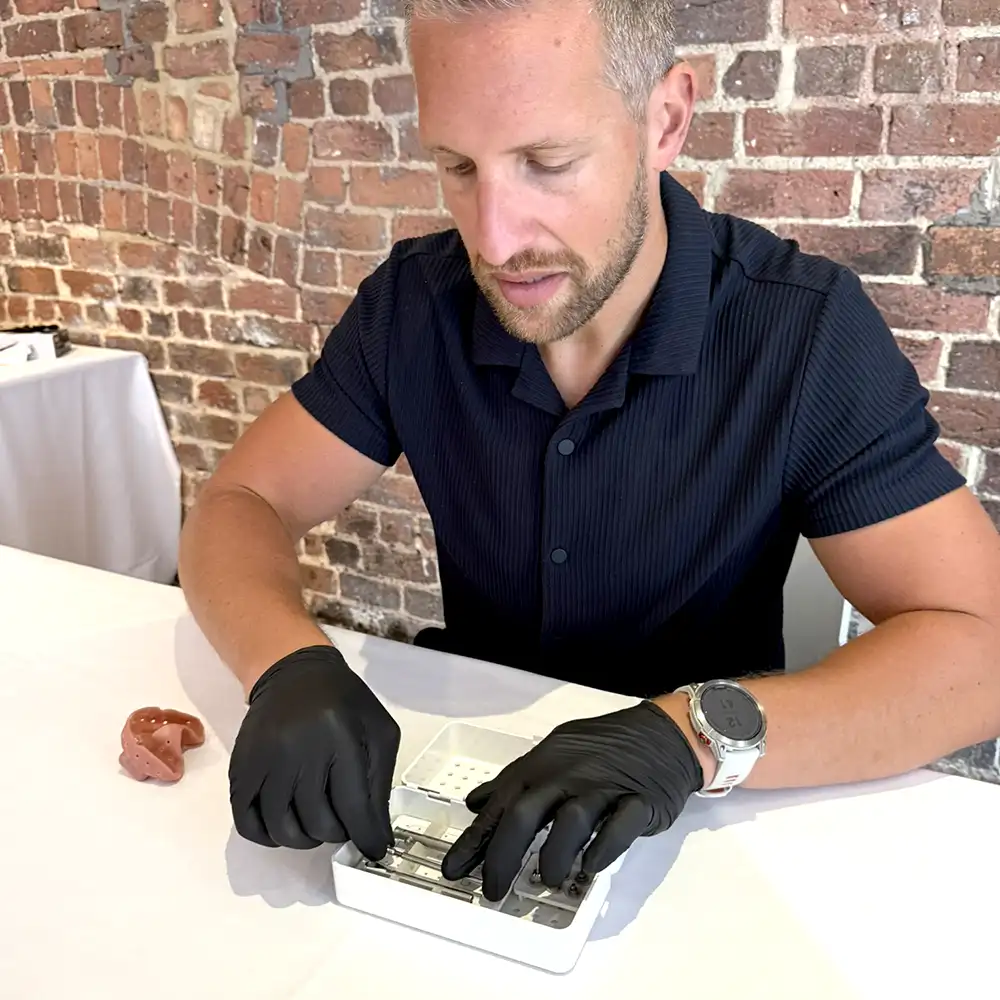
Places are limited to 12 delegates to maintain a focused, hands-on learning environment.
Course highlights
Give suitable denture patients another treatment option
Many GDPs regularly manage patients who struggle with conventional complete dentures but remain uncertain about becoming involved with implant overdenture treatment.
Engage Four bridges that gap.
You do not need to become an implant surgeon to understand, plan and restore suitable implant overdenture cases.
The course takes you through a structured restorative workflow, from identifying which patients may benefit through to working with the surgeon and technician, selecting components, delivering the prosthesis and providing long-term maintenance.
The emphasis is on practical dentistry that can be integrated into general practice.
You will also learn where apparently straightforward overdenture cases become more complex — allowing you to make better decisions before treatment starts.




Who is this course for?
Engage Four is particularly relevant to GDPs who are comfortable providing conventional removable prosthodontics and want to introduce straightforward implant-retained overdenture treatment into practice.
Add implant-retained removable prosthodontics to your restorative skillset
FAQs
Common questions about our Engage Four course.
No. Engage Four is primarily restorative. Surgical planning considerations are discussed because implant position has a major effect on prosthetic outcome, but delegates are not taught surgical implant placement.
No. GDPs can work collaboratively with an appropriately experienced implant surgeon while providing the restorative stages of suitable cases themselves.
The course concentrates on clinically relevant implant-retained overdenture concepts suitable for general restorative practice, particularly straightforward attachment-retained treatment.
Yes. You will learn how attachment systems function, how restorative components are selected and how retention can be modified and maintained.
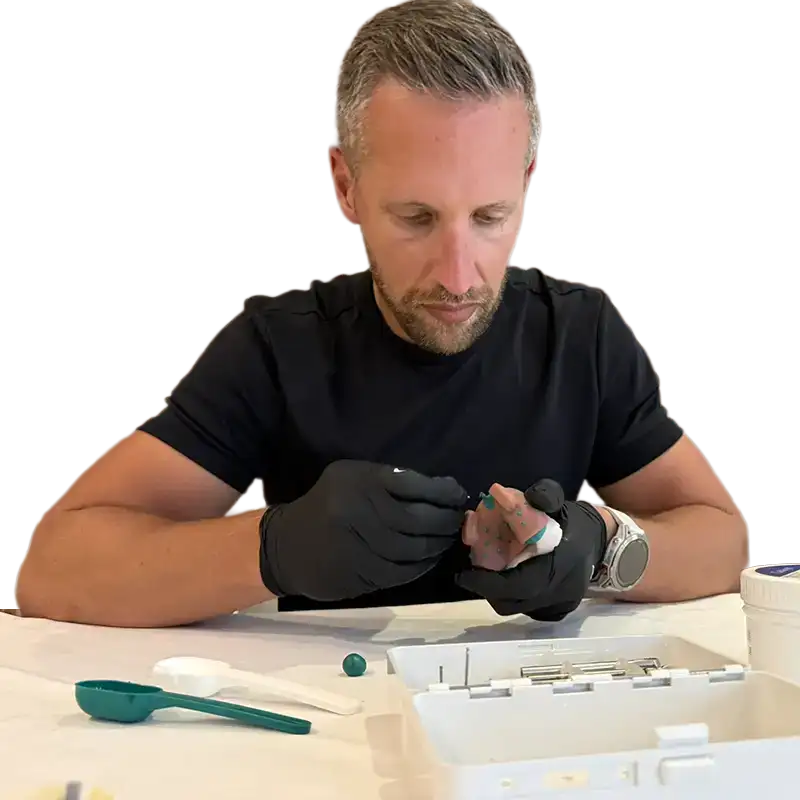
Yes. Engage Four is designed as a practical course, with delegates handling components and rehearsing key restorative stages rather than simply watching demonstrations.
Yes. The principles, clinical workflow and potential pitfalls of chairside housing pick-up form an important part of the course.
Very much so. Existing removable prosthodontic skills provide an important foundation. Engage Four builds on them by introducing the implant-related planning, components and clinical procedures required for overdenture treatment.
Long-term maintenance is an important part of the course. You will learn how attachment components wear, how retention can be assessed and how common maintenance procedures can be managed.
Still have questions?
Whatever you need to know, we're happy to help.
Why Engage Implant?
Actually hands-on
You won't just watch implant restoration being demonstrated. You'll handle the components and rehearse the clinical workflow yourself.
Small-group learning
Engage courses are limited to 12 dentists so there is meaningful practical time and direct access to the course tutor.
Transferable principles
Courses focus on the concepts that underpin implant restoration across different systems, laboratories and clinical settings.
Continued support
Delegates have access to guidance around case selection, restorative planning and surgical support.