


Advanced Implant Restorative Planning
Stop thinking about the implant first. Start with the restoration you are trying to create.
As implant cases become more complex, successful treatment depends increasingly on what happens before surgery begins.
Engage Six brings together the restorative principles developed throughout the Engage pathway and applies them to more challenging implant cases.
Through structured treatment planning, clinical cases and practical workshops, you will learn how to assess complex restorative situations, identify risk, compare treatment options and communicate a clear restorative plan to the patient, surgeon and dental laboratory.
This is the capstone of the Engage restorative pathway.
Your place includes:
Next available course dates
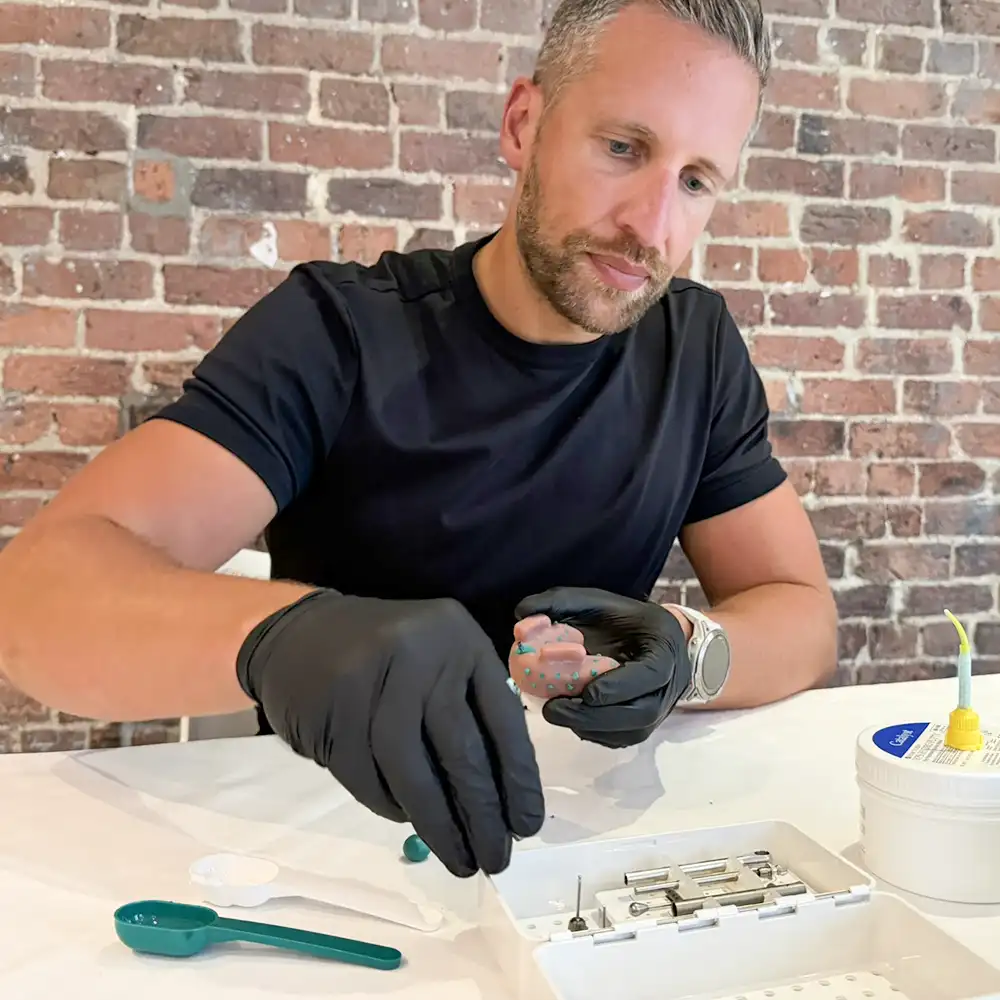
Places are limited to 12 delegates to maintain a focused, hands-on learning environment.
Course highlights
Plan the restoration before anyone plans the implant
The more complex the case, the more expensive mistakes become.
An implant can integrate successfully and still leave the restorative dentist with an extremely difficult problem.
Insufficient prosthetic space.
Poor implant distribution.
Unfavourable angulation.
Difficult screw access.
Compromised cleansability.
Unrealistic aesthetic expectations.
Many of these problems begin before the implant is placed.
Engage Six is designed to help you see them earlier.
Rather than teaching a single procedure, this course develops the treatment-planning judgement required to approach more advanced implant restorative cases systematically.
You will work backwards from the desired final restoration, compare available treatment strategies and understand the restorative information that should be established before surgery.
The result should not be a willingness to treat every complex implant case yourself.
It should be better judgement about which cases to treat, how to plan them and when to involve additional expertise.




Who is this course for?
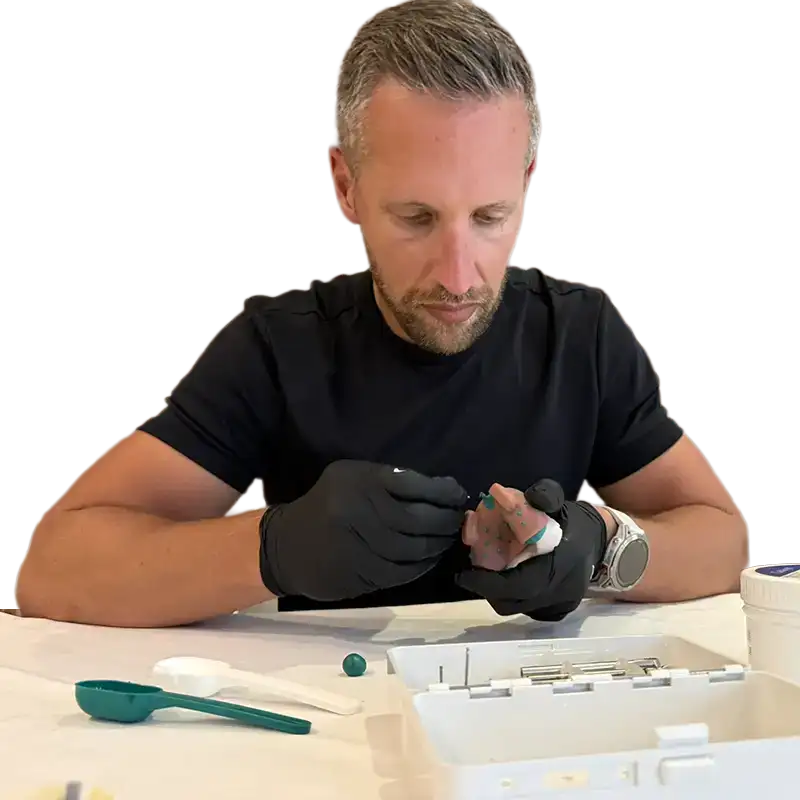
Engage Six is intended for dentists with an established foundation in implant restoration rather than clinicians completely new to implants.
Develop the judgement behind advanced implant dentistry
FAQs
Common questions about our Engage Six course.
No. Full-arch restorative concepts form part of advanced treatment planning, but Engage Six is not designed to imply competence in delivering full-arch implant rehabilitation after a single day.
The focus is on understanding the principles, recognising complexity and developing better restorative treatment-planning judgement.
You should already understand and ideally have experience with straightforward implant restoration. Engage Six assumes familiarity with basic implant components, impressions, crown fitting, torque, occlusion and maintenance.
No. Engage remains a restorative-led pathway. The course is highly relevant to dentists who collaborate with implant surgeons and want to become more involved in planning and restoring increasingly complex cases.
Yes. Digital planning, diagnostic wax-ups and prosthetically driven communication are considered where they improve assessment and communication of the planned restorative outcome.
Yes. Multiple-unit fixed restorations form an important part of advanced planning, building on the more clinically focused implant bridge workflow taught in Engage Two.
Yes. Fixed versus removable restorative concepts are considered when assessing more complex or edentulous patients, building on the practical overdenture workflow taught in Engage Four.
Where possible, delegate case discussion should form part of Engage Six. Working through real clinical decisions is one of the best ways to develop restorative treatment-planning judgement.
The course is intended to expand your knowledge and decision-making ability rather than remove the need for appropriate experience and mentoring. Complex implant dentistry often requires multidisciplinary input, and knowing when to seek that input is part of advanced clinical judgement.
Still have questions?
Whatever you need to know, we're happy to help.
Why Engage Implant?
Actually hands-on
You won't just watch implant restoration being demonstrated. You'll handle the components and rehearse the clinical workflow yourself.
Small-group learning
Engage courses are limited to 12 dentists so there is meaningful practical time and direct access to the course tutor.
Transferable principles
Courses focus on the concepts that underpin implant restoration across different systems, laboratories and clinical settings.
Continued support
Delegates have access to guidance around case selection, restorative planning and surgical support.