


The Anterior Implant Crown
Learn to approach implant restoration in the aesthetic zone with greater control, understanding and predictability.
An anterior implant crown is still a single implant restoration — but it is rarely a simple one.
Engage Three explores the additional restorative considerations that determine aesthetic success, from initial risk assessment and implant positioning through to provisionalisation, soft-tissue emergence, laboratory communication and definitive crown delivery.
This is a practical course designed to help GDPs understand not simply how to fit an anterior implant crown, but how to plan for a better result from the beginning.
Your place includes:
Next available course dates
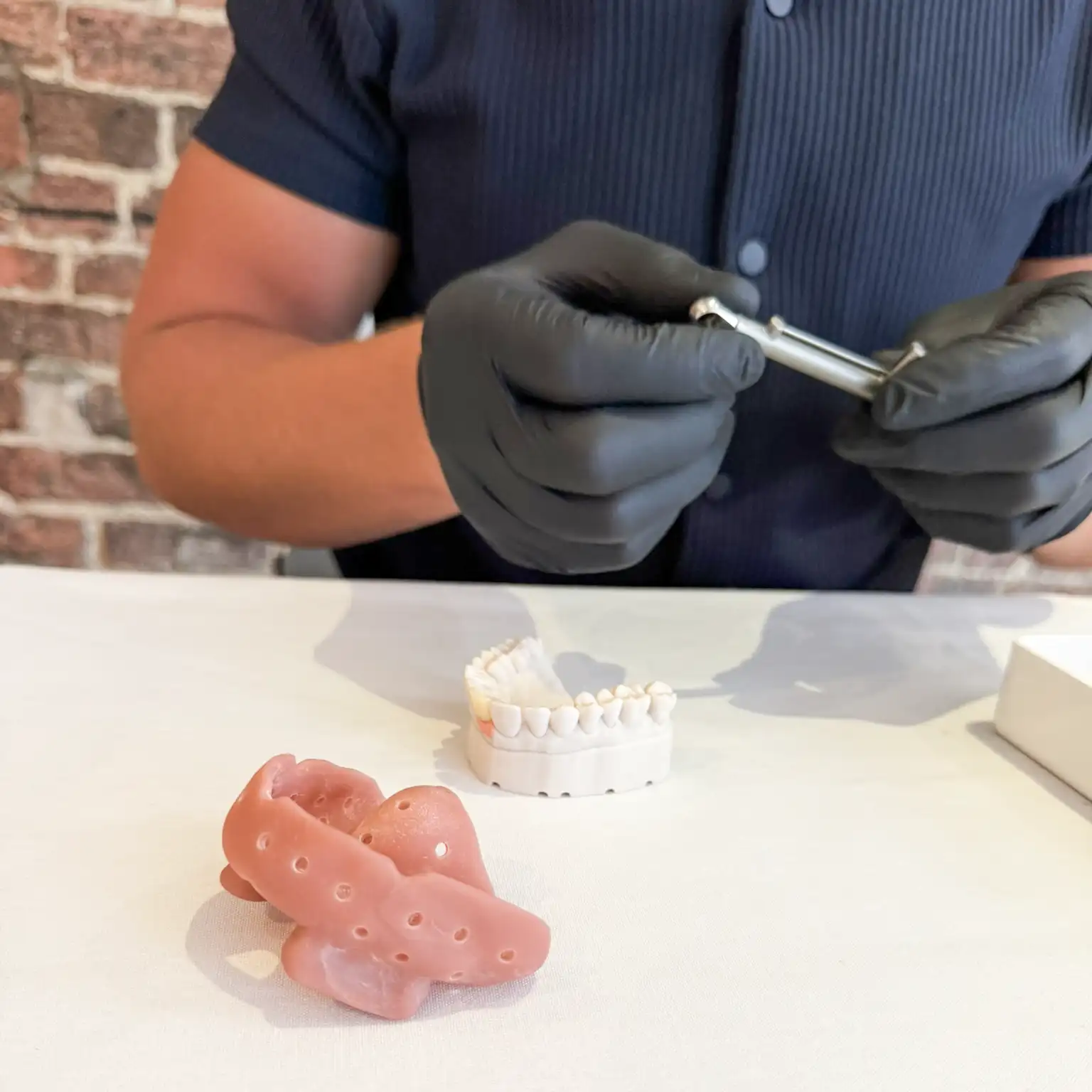
Places are limited to 12 delegates to maintain a focused, hands-on learning environment.
Course highlights
Move beyond simply replacing the missing tooth
In the posterior mouth, an implant crown can be technically successful without being visually perfect.
In the aesthetic zone, the margin for error is considerably smaller.
The final appearance may be influenced by the patient's smile line and tissue phenotype, the three-dimensional implant position, available hard and soft tissue, provisional restoration, emergence profile and final prosthetic design.
That means the restorative dentist should be involved early.
Engage Three teaches you to think restoratively from the beginning of the case.
You will learn how to assess aesthetic risk, communicate the desired restorative outcome before implant placement and understand how provisional and definitive restorations can influence the peri-implant soft tissues.
The objective is greater predictability — and knowing when the aesthetic demands of a case require more experienced multidisciplinary management.




Who is this course for?
Engage Three is designed for GDPs who already understand the fundamentals of single implant restoration and want to develop their restorative planning skills in the aesthetic zone.
Understand what creates a successful anterior implant restoration
FAQs
Common questions about our Engage Three course.
No. Engage Three focuses on the restorative management of anterior implants. Surgical principles are discussed where they directly influence the eventual restorative outcome, but implant placement itself is not taught.
Yes. Delegates should already understand the basic single implant restorative workflow. Engage One or equivalent clinical experience is recommended.
No. Immediate placement may be discussed as part of treatment planning and case assessment, but Engage Three is a restorative course rather than surgical implant training.
Yes. Provisionalisation is an important part of understanding anterior implant restoration, particularly its relationship to emergence profile and peri-implant soft-tissue form.
Yes. Digital workflows can be particularly useful in planning, communicating and transferring restorative information in aesthetic implant cases and are integrated into the course.
Absolutely. One of the central principles of Engage Three is that the restorative dentist should understand the desired final restoration before surgery. Good surgeon-restorative dentist-technician communication is fundamental to predictable aesthetic implant treatment.
Soft-tissue considerations are covered from a restorative planning perspective, including recognising deficiencies and understanding their implications. Surgical grafting techniques are outside the scope of the course.
No. Aesthetic implant dentistry can be complex. The objective is to increase your knowledge and restorative capability while helping you identify high-risk cases where multidisciplinary or more experienced input is appropriate.
Still have questions?
Whatever you need to know, we're happy to help.
Why Engage Implant?
Actually hands-on
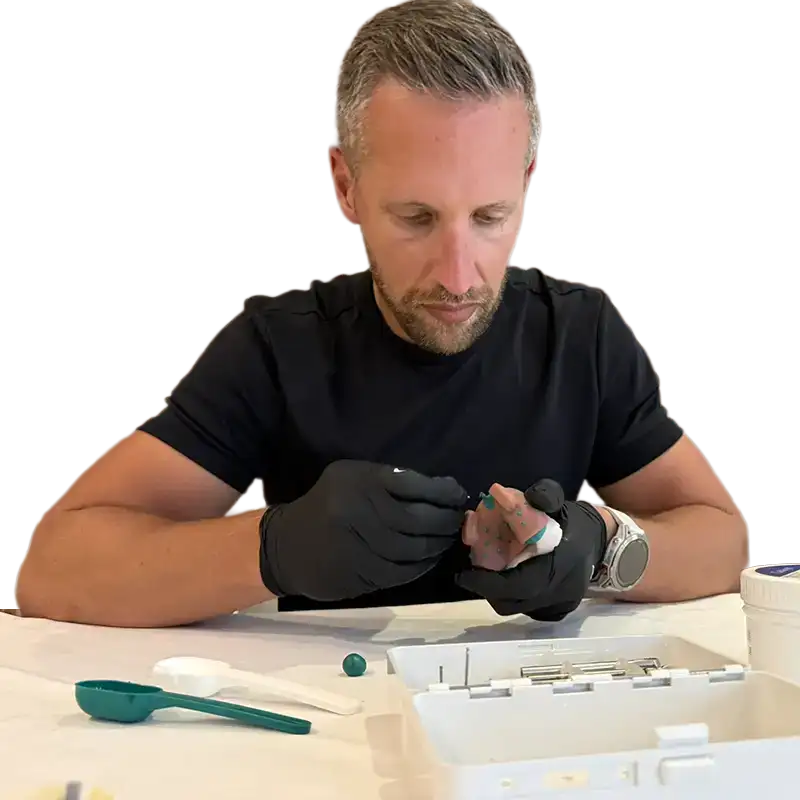
You won't just watch implant restoration being demonstrated. You'll handle the components and rehearse the clinical workflow yourself.
Small-group learning
Engage courses are limited to 12 dentists so there is meaningful practical time and direct access to the course tutor.
Transferable principles
Courses focus on the concepts that underpin implant restoration across different systems, laboratories and clinical settings.
Continued support
Delegates have access to guidance around case selection, restorative planning and surgical support.